
6 Smart Reasons to Plan Your Spring Path and Trail Projects This Winter
.png)
Cold weather slows paving crews, but it also opens a different window for progress. While field activity pauses, decision-makers can review the routes that see the most wear, study how drainage behaved after the last storms, and evaluate budgets with a clear head. For property managers, park administrators, and municipal planners, winter becomes the season to plan asphalt path or trail paving projects that start on time and stand up to daily use and changing weather.
These months allow for preparation that rarely fits into the spring calendar. Meetings can happen without construction deadlines looming, drawings can be refined, and schedules can be set before demand rises.
This article outlines six practical reasons early planning improves timelines, quality, and cost control while keeping projects organized from design through final compaction.
1. Winter Planning Keeps Spring Projects on Schedule
By the time spring arrives, every contractor’s calendar fills quickly. Waiting until then to start planning can leave your project competing for limited time, materials, and crew availability. When planning begins in winter, decisions are made without pressure. Budgets are reviewed, designs are approved, and schedules are set long before the first warm day.
That preparation gives your project a clear place in line and eliminates the scramble that often causes delays.
At JK Meurer Paving, we use the winter months to help clients prepare every detail. Our team reviews your goals, confirms site access, and develops a realistic timeline that fits both your budget and seasonal conditions. By the time paving weather returns, everything is ready to move. Crews arrive with a complete plan, materials are secured, and work begins without wasted time.

2. Early Design Decisions Strengthen Long-Term Performance
During winter planning, project teams should confirm the technical details that determine how well an asphalt trail will hold up. Review the site survey and grading plan, check base depth and material specifications, verify drainage patterns and outlet locations, and confirm how the trail will connect to existing pavement or sidewalks. Taking time to adjust these items now prevents problems with water flow, accessibility, and compaction once paving begins.
Projects that finalize design decisions early avoid costly changes in the field and achieve better long-term results.
We work with clients to evaluate every factor that influences performance. Our team reviews traffic patterns, elevation changes, and accessibility needs, then coordinates with your engineers to finalize drawings that support safety and durability. Early design collaboration allows us to anticipate challenges and build trails that remain stable and low-maintenance year after year.
3. Proper Base and Drainage Planning Protect Against Damage
A strong surface depends on what lies beneath it. If the base shifts or holds water, cracks and settlement follow. Winter provides time to study soil conditions and runoff patterns, then correct problem areas before paving begins.
Addressing drainage and compaction now prevents costly repairs later.
Our specialists inspect grading plans, check compaction requirements, and identify areas where water may collect. We adjust designs to improve flow and recommend base materials that match the site’s soil type and expected traffic. Careful preparation keeps the finished trail firm through freeze-thaw cycles and steady use.
4. Material Selection Defines the Quality of Every Trail
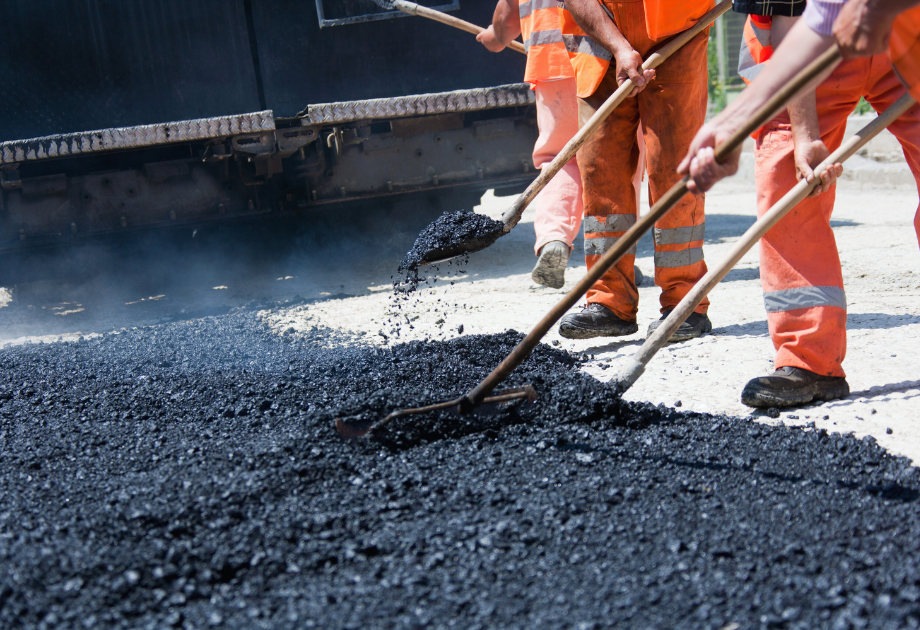
Not every asphalt mix performs the same way. A walking path through a park experiences different wear than a bike trail that handles higher speeds or maintenance vehicles. Choosing the right blend of strength and flexibility determines how the surface holds up through temperature changes and heavy use. The best mix is based on expected traffic, local climate, and subgrade strength. Finer aggregate and higher binder content create a smoother finish for pedestrians, while coarser blends and stiffer binders resist rutting on trails that carry heavier loads.
The right material choice at the start prevents premature wear and extends the life of the pavement.
JK Meurer Paving helps clients select materials that meet both performance and budget goals. For paved bike trails, we recommend mixes that balance traction and smoothness. For paved walking trails, we focus on comfort and consistent finish. Our suppliers reserve these materials early so pricing and delivery remain stable once construction begins.
5. Early Scheduling Controls Cost and Streamlines Coordination
Planning work during winter reduces cost uncertainty. When your team confirms scope and timing in advance, suppliers provide earlier quotes and crews can be scheduled before the season gets crowded. That step prevents price jumps and the scheduling gaps that can derail work once the season begins.
Early scheduling protects both cost and quality by keeping every phase of work moving in order.
We take care of the preconstruction details so you don’t have to. Our team builds a coordinated schedule that respects your operations, reserves staging areas, and confirms delivery windows. We also coordinate with utilities and landscape partners so work proceeds in the planned sequence and your budget stays on track.
6. Winter Conditions Offer the Clearest View of Site Needs
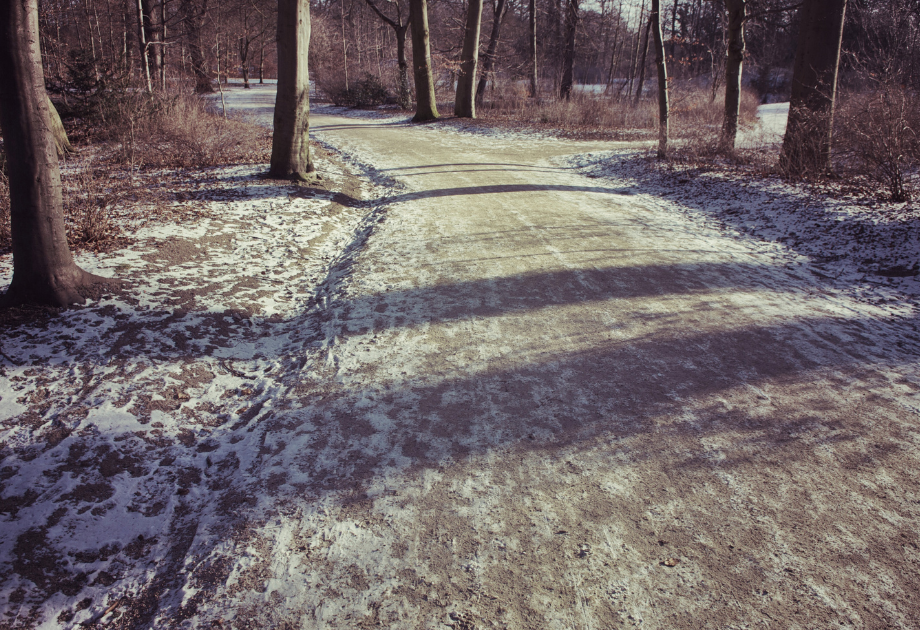
When trees are bare and brush has died back, it’s easier to see where water travels and where pavement has started to break down. Drainage channels, cracked edges, and uneven grades stand out clearly, giving project teams a better view of the site’s condition. Those observations guide more accurate repairs and design adjustments for the coming season.
Identifying problems when the site is bare saves time, limits disruption, and leads to longer-lasting results.
We walk each site with our clients to record visible wear and document elevation changes that might not be obvious in summer. This early insight lets us address structural issues rather than surface symptoms. The result is a plan that targets the true causes of deterioration and extends the life of the pavement.
Partner with JK Meurer Paving for Proven Results
Every successful path or trail begins with preparation. Winter planning shapes how efficiently spring construction moves and how long those paved surfaces last. For property managers, park administrators, and municipal teams, this is the season to finalize plans and secure the crews you trust before the schedule fills.
At JK Meurer Paving, we bring more than four decades of experience to projects across Greater Cincinnati. Our approach combines careful evaluation, clear communication, and precise execution so each path and trail delivers lasting value. We help clients review designs, assess site conditions, and confirm timelines that keep work predictable and results dependable.
Secure your spring schedule now. Request an Estimate.