
Does Sealcoating Really Work? Myths, Facts, and What to Expect
Does Sealcoating Really Work? Myths, Facts, and What to Expect
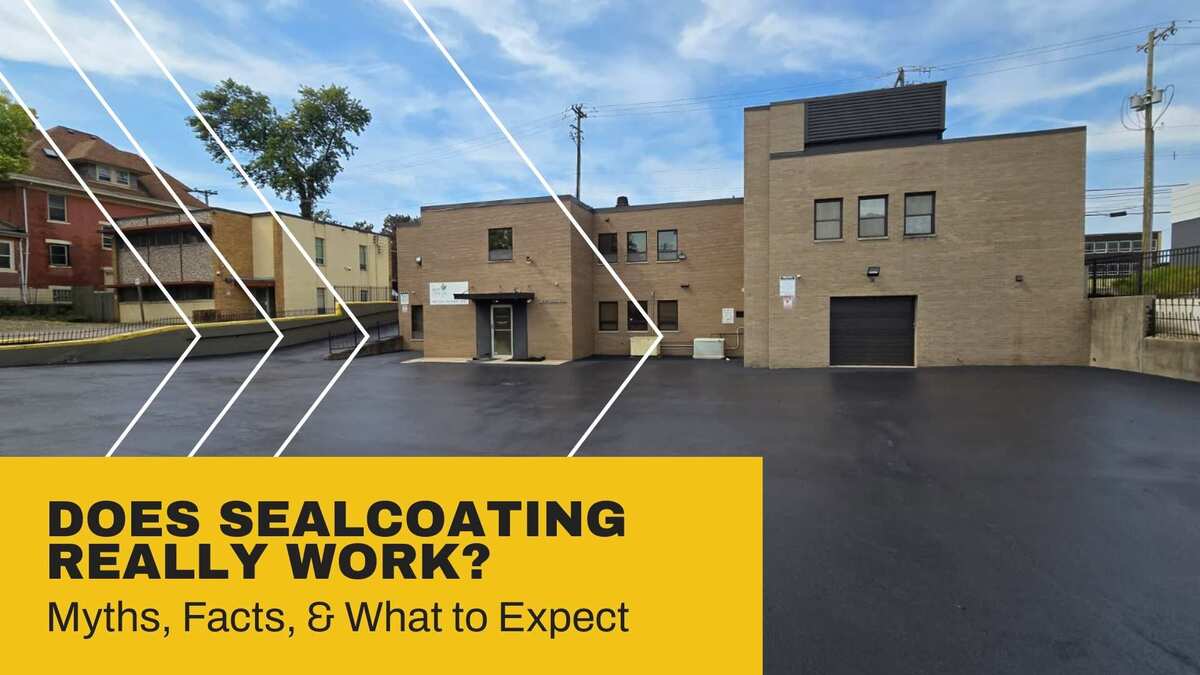
Sealcoating is one of the most misunderstood services in pavement maintenance. Some contractors promise it will transform your parking lot. Others dismiss it as unnecessary. The truth sits somewhere in between.
For property managers trying to make smart decisions, conflicting information creates real frustration. When every contractor seems to have a different opinion, it becomes difficult to know what actually protects your pavement and what wastes your money.
In this article, we separate facts from fiction and help you understand when sealcoating delivers value and when it does not.
Why Sealcoating Generates So Much Confusion
Before addressing specific myths, it helps to understand why sealcoating advice varies so widely. The problem stems from both aggressive sales practices and genuine misunderstanding about what this treatment can accomplish.
Aggressive Sales Tactics Cloud the Facts
Sealcoating is one of the most oversold services in the paving industry. Contractors and discount providers often promise results that sealcoating cannot deliver. They may claim it repairs damage, doubles pavement life, or needs to be applied every year.
This creates confusion for property managers and owners who hear different stories depending on who they ask. When sales pitches replace honest assessment, it becomes harder to identify legitimate maintenance recommendations.
The Truth Sits Between the Extremes
Sealcoating has legitimate benefits when applied correctly and at the right time. It also has real limitations. Understanding both sides helps you avoid wasting money on unnecessary applications or skipping maintenance that would extend pavement life.
The goal is not to sell you on sealcoating or talk you out of it. The goal is to help you make an informed decision based on your pavement's actual condition and needs.
Myth 1: Sealcoating Fixes Cracks and Damage
This misconception leads to wasted money and accelerated deterioration. Many property owners believe that a fresh coat of sealant will address visible problems, but the reality is quite different.
The Reality
Sealcoating is a protective surface treatment. It does not fill cracks, repair potholes, or restore structural integrity.
Applying sealcoat over damaged pavement traps moisture beneath the surface. That moisture continues to expand and contract through freeze-thaw cycles, making existing damage worse. Cracks and base issues must be repaired before sealcoating provides any benefit.
Why Repair Comes First
If a contractor recommends sealcoating without addressing visible damage first, that recommendation prioritizes appearance over long-term performance. Proper sequencing matters: repair first, then protect.
A fresh sealcoat may make damaged pavement look better temporarily, but it does nothing to stop the underlying deterioration.
Myth 2: New Asphalt Needs Immediate Sealcoating
This is a common sales pitch, especially from contractors looking to add services to a new installation. The logic sounds reasonable, but it conflicts with how asphalt actually cures.
The Reality
Fresh asphalt contains oils that keep the surface flexible and durable. These oils need time to cure and bond properly. Applying sealcoat too early traps those oils and can cause the surface to remain soft or develop tracking marks from tires.
Most new asphalt should cure for at least one year before the first sealcoat application. Some professionals recommend waiting for a full year, depending on climate and installation timing.
Why Patience Protects Your Investment
Contractors who push immediate sealcoating on new installations may prioritize upselling over proper pavement care. Patience protects your investment.
If you just had new asphalt installed, resist the pressure to sealcoat right away. Give the surface time to cure fully before adding any protective treatment.
Myth 3: Annual Sealcoating Extends Pavement Life
The "more is better" approach seems logical, but frequent sealcoating can actually harm your pavement rather than help it.
The Reality
Sealcoating too frequently builds thick layers that crack and peel. Excessive applications can also hide developing problems until they become serious. What looks like a well-maintained surface may be concealing cracks or base issues that need attention.
Commercial properties with heavier use may need frequent applications, but annual treatment is rarely necessary.
How Often Should You Sealcoat?
A contractor recommending yearly sealcoating may be focused on recurring revenue rather than pavement health. The right schedule depends on the actual surface condition of the pavement.
Evaluate your pavement's appearance and performance before scheduling another application. If the previous sealcoat still looks intact, you likely do not need another coat yet.
Myth 4: Sealcoating Makes Pavement Last Forever
Sealcoating provides real protection, but it cannot overcome structural problems or stop the natural aging process.
The Reality
Sealcoating protects against UV damage, water penetration, and surface oxidation. These benefits slow deterioration and can add years to a well-maintained surface.
However, sealcoating cannot stop base failure, correct drainage problems, or reverse structural damage. Every pavement has a finite lifespan regardless of surface treatments. Even the best-maintained driveway or parking lot will eventually need resurfacing or replacement.
What Sealcoating Can and Cannot Do
Sealcoating is one tool in a complete maintenance plan. It works best when combined with crack sealing, proper drainage, and timely repairs. No single treatment replaces the need for comprehensive care.
Think of sealcoating as protection for healthy pavement, not a cure for pavement that is already failing.
Myth 5: All Sealcoating Products Perform the Same
Price differences between contractors often reflect real differences in materials and application quality. The cheapest option is rarely the best value.
The Reality
Sealcoating products vary significantly in quality and composition. Bargain materials may look similar at first but break down faster under traffic and weather exposure.
Application methods also matter. Proper coverage, curing conditions, and surface preparation all affect how long the sealcoat lasts. A rushed application with inferior materials may need replacement in half the time of a quality job.
Why the Lowest Bid Costs More
The lowest bid often reflects lower material quality or rushed application. Ask contractors about the products they use and how they prepare the surface before application.
A higher upfront cost for quality materials and proper preparation typically delivers better long-term value than repeated applications of inferior products.
How to Evaluate Sealcoating Recommendations
With so much conflicting advice available, knowing how to assess contractor recommendations protects you from unnecessary treatments and poor-quality work.
Ask About Surface Preparation
Quality sealcoating requires cleaning, crack repair, and proper drying time. Contractors who skip these steps deliver results that fade quickly.
Before agreeing to any sealcoating work, ask what preparation is included. If the answer is vague or dismissive, consider it a warning sign.
Request a Realistic Timeline
Sealcoat needs adequate curing time before traffic. Most products require 24 to 48 hours before vehicles can use the surface, depending on temperature and humidity.
Contractors who promise same-day use may be cutting corners on application thickness or product quality. Ask when you can expect to use the surface and be cautious of answers that seem too convenient.
Look for Honest Assessment of Condition
A trustworthy contractor tells you when sealcoating makes sense and when repairs or replacement would serve you better. Be cautious of recommendations that always point toward the same service regardless of what they find.
If every pavement problem gets the same solution, the contractor may not be evaluating your actual needs.
Get the Facts with JK Meurer Paving
Informed decisions protect your pavement investment. When you understand what sealcoating can and cannot do, you avoid wasting money on unnecessary treatments and focus your budget on maintenance that delivers real results.
At JK Meurer Paving, we provide straightforward assessments based on your pavement's actual condition. We recommend sealcoating when it makes sense and suggest alternatives when other approaches would serve you better.
Get the facts and protect your investment. Request an estimate here!