
How Cold Weather Affects Your Driveway
.jpg)
Winter in Greater Cincinnati creates constant temperature changes that put every driveway under pressure. Freezing nights and mild days cause the pavement to expand and contract, setting the stage for cracks and wear. Many homeowners notice surface changes during these colder months and wonder what they mean for the long-term condition of their driveway.
Cold weather triggers a predictable process inside the pavement. As moisture freezes and thaws, it expands and contracts, gradually weakening the base below. Over time, those small shifts can shorten a driveway’s lifespan.
This blog explains why driveways react to cold weather, the most common signs of winter damage, and how proactive care helps preserve a smooth, durable surface all year.
Why Driveways React to Cold Weather
Every driveway faces natural stress during winter. Temperature swings create movement within the pavement, and even small changes can affect how it holds its shape. When homeowners understand what causes that movement, they can take the right steps to protect their driveway.
The Freeze-Thaw Cycle Explained
Moisture is the main factor behind asphalt damage in cold weather. Water works its way into small cracks or pores in the pavement. When temperatures fall, the water freezes and expands, pushing the pavement apart. When it thaws, the pavement contracts again. These repeating freeze-thaw cycles gradually widen small cracks and weaken the layers beneath the surface.
Why Asphalt Is Especially Sensitive to Temperature Changes
Asphalt is designed to flex slightly, but winter cold reduces that flexibility. The material becomes rigid, and rigid pavement can’t absorb pressure as well as warm, flexible pavement can. Heavy vehicles, snow piles, or ice expansion can then create cracks in the driveway or small dips that worsen over time.
When these small shifts add up through the season, the surface begins to lose its smooth, even look. Paying attention to these changes early allows homeowners to schedule small repairs before cold weather causes deeper damage.
Common Winter Driveway Problems
Some winter changes are cosmetic, while others point to deeper damage. Recognizing the difference helps homeowners know when to call a professional for evaluation.
Surface Cracks and Edge Deterioration
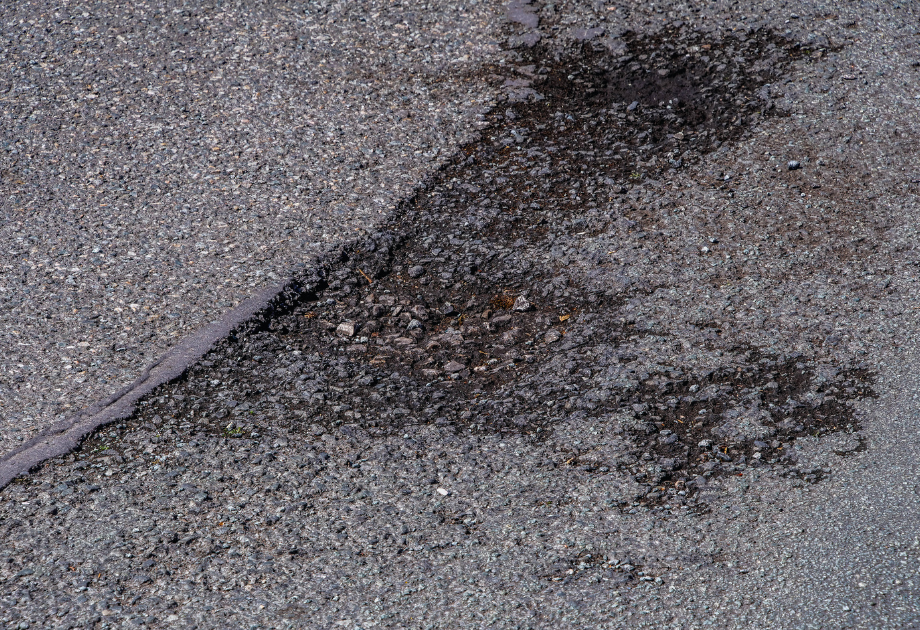
Hairline cracks are common after cold spells, but spreading cracks or crumbling edges indicate more serious wear. Edges are particularly vulnerable because snow, ice, and runoff tend to collect there. As melting water refreezes, it increases stress and causes the outer layer to break apart.
Drainage and Ice Build-Up
Pooling water or recurring ice patches often mean the surface isn’t draining properly. When trapped moisture freezes below the pavement, it expands and pushes upward, causing a condition known as pavement heave. Pavement heave refers to the lifting or shifting of the paved surface itself, which can happen when water becomes trapped under the driveway or when the base material softens and settles unevenly. Addressing these problem spots early prevents new cracks and helps the driveway settle evenly once the weather warms.
Frost Heave and Subgrade Movement
Frost heave occurs when the ground beneath a driveway freezes and the moisture within the soil expands. This expansion lifts sections of the pavement upward, creating uneven areas on the surface. When the ground thaws, it settles at different rates, leaving behind ridges or dips that change how water drains across the driveway. Over several seasons, this cycle can affect the structure of the entire pavement if it’s not addressed.
.png)
How to Prevent Cold-Weather Damage
Preventing damage is always easier than repairing it later. A few careful steps during the fall and winter months can make a noticeable difference in how long a driveway lasts.
Before Winter Begins
Start by sealing small cracks so moisture can’t enter. Clear away leaves, dirt, and debris from drainage paths so melting snow can flow away from the pavement. If nearby curbs or concrete joints are cracked, have them checked, since stress can transfer from one surface to another.
During the Winter Season
Winter maintenance requires balance. Use de-icing products sparingly, since strong chemicals can damage the asphalt surface. Clear snow early to limit refreezing, and avoid parking heavy vehicles when the ground softens during a warm spell. Consistent care like this helps the pavement handle changing winter conditions.
After the Freeze
Early spring is a good time to review the overall condition of your driveway because mild temperatures make changes easier to spot. If the surface shows widening cracks, rising or sinking sections, or drainage issues that return each year, it may be time to think about full replacement. Our team can take a close look at the pavement and provide a clear recommendation along with an estimate for a new driveway that holds up well through Cincinnati’s changing seasons year after year.
Professional Help for Driveway Longevity
Even a well-maintained driveway benefits from a professional inspection. A trained eye can identify structural issues, aging pavement, or recurring damage that signals the surface is nearing the end of its lifespan.
When to Schedule an Inspection
Homeowners should consider scheduling a professional evaluation if:
- Cracks are wider than a quarter inch
- The surface feels uneven when you drive or walk across it
- Water pools in specific areas after snow or rain
- Frost-related movement continues each season
After several freeze-thaw periods, these signs often indicate that the driveway is due for replacement rather than patching.
How JK Meurer Paving Protects Driveways Through Every Season
Our team performs thorough evaluations that look at both surface condition and the underlying base. We identify the cause of cracking or shifting and provide recommendations that focus on long-term performance. Decades of local experience have shown us how freeze-thaw weathering affects Cincinnati’s soil and pavement materials, and we use proven installation methods that support a durable, long-lasting driveway when replacement is the right step.
Keep Your Driveway Ready for Every Season with JK Meurer Paving
Cold weather can be tough on pavement, but with the right maintenance and professional care, it doesn’t have to cause lasting damage. Paying attention to changes early and scheduling timely repairs protects your investment and keeps your property looking its best.
Protect your driveway before the next freeze. Request an estimate.