
How Recycled Asphalt Supports Sustainable Paving and Cost-Effective Budgets
How Recycled Asphalt Supports Sustainable Paving and Cost-Effective Budgets
When you’re planning a paving project, material choices matter. They affect how long the surface holds up, how responsibly existing pavement is reused, and how far your budget can go. Recycled asphalt is often part of those conversations, especially when sustainability goals and budget planning intersect.
Recycled asphalt pavement is created by reclaiming material from existing surfaces and reusing it in new paving mixes. When processed and applied correctly, it performs well in many commercial and municipal applications while reducing material waste and reliance on new resources.
In this article, we’ll explain what recycled asphalt pavement is, how it is used in commercial paving, and how recycled materials support both sustainability goals and practical budget planning.
What Recycled Asphalt Pavement Is and How It Is Used
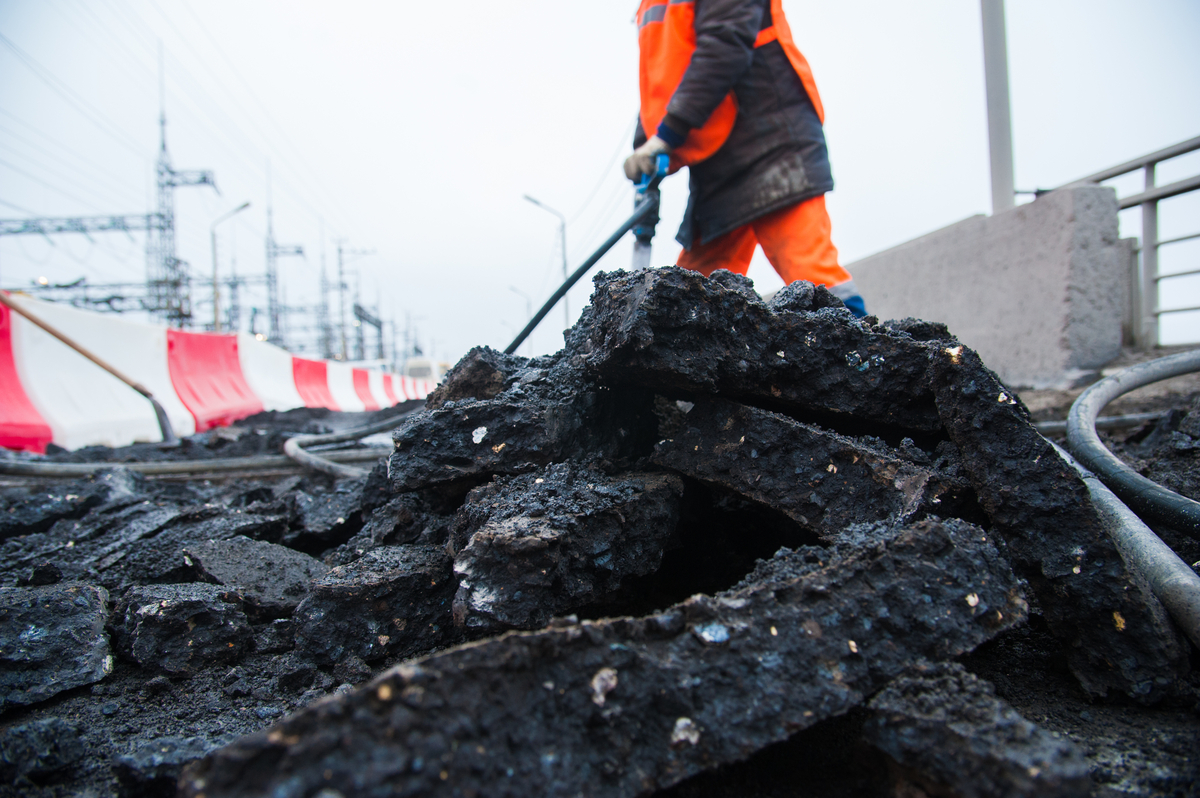
Recycled asphalt pavement, often referred to as RAP, comes from existing asphalt surfaces that have reached the end of their service life. Instead of sending that material to a landfill, it is reclaimed and reused as part of new paving work.
This process allows valuable materials to stay in circulation while supporting durable pavement performance.
How Asphalt Is Reclaimed and Reused
The recycling process begins during removal of aging pavement and follows a series of controlled steps to prepare material for reuse.
- Existing asphalt is milled and removed from worn surfaces
- Material is processed and screened to remove debris
- Reclaimed asphalt is blended into new paving mixes
When handled properly, reclaimed asphalt becomes a reliable component in modern paving systems.
Common Applications for Recycled Asphalt
Recycled asphalt is used in a variety of settings where durability and consistency are required.
- Commercial parking lots and access roads
- Municipal streets and infrastructure projects
- Pathways, trails, and service areas
Material selection is always guided by site conditions, traffic demands, and performance expectations.
Environmental Benefits of Using Recycled Asphalt
One of the strongest advantages of recycled asphalt is its environmental impact. Reusing existing materials reduces waste and lowers the demand for new resources without compromising functionality.
These benefits are measurable and directly tied to responsible infrastructure planning.
Reduced Material Waste
Reclaiming asphalt keeps usable material out of landfills and extends the value of pavement that has already been produced.
- Keeps reusable asphalt out of disposal streams
- Maximizes the lifecycle of existing pavement materials
This approach supports sustainability goals while maintaining practical performance standards.
Lower Resource Consumption
Using recycled asphalt reduces the need for newly sourced materials during paving production.
- Decreases reliance on newly mined aggregate
- Limits energy use during material processing
Over time, these reductions contribute to a smaller environmental footprint.
Reduced Transportation Impact
Local reuse of reclaimed asphalt helps minimize transportation demands associated with paving materials.
- Shorter hauling distances for materials
- Fewer transport miles support cleaner operations
This localized approach strengthens efficiency across the supply chain.
Budget Advantages of Sustainable Paving Solutions
Sustainability and cost control often work together in paving decisions. Recycled asphalt supports both by lowering certain project costs while delivering dependable performance.
For many commercial and municipal projects, this balance plays a central role in budget planning.
Material Cost Efficiency
Recycled asphalt can reduce certain material and disposal costs when compared to all-new mixes.
- Lower raw material costs
- Reduced disposal expenses for removed asphalt
These efficiencies help stretch budgets without reducing pavement function.
Long-Term Performance Value
When recycled mixes are properly designed, they meet the performance needs of commercial asphalt paving.
Durable surfaces reduce future repair demands and help stabilize maintenance planning over time, which supports predictable budgeting.
How Recycled Asphalt Is Used Across Paving Projects
Recycled asphalt is incorporated into most paving projects as part of standard material production. In many cases, recycled content is included unless a project specifically requires a mix free of recycled material. This approach allows usable material to remain in circulation while supporting consistent pavement performance.
Common Project Applications
Recycled asphalt is routinely installed across a wide range of commercial, municipal, and residential projects.
- Commercial parking lots and access drives
- Municipal streets and infrastructure projects
- Residential driveways and private access areas
- Public infrastructure and trail systems
In each case, recycled materials are incorporated as part of the asphalt mix supplied by the plant, with performance determined by traffic demands, site conditions, and design requirements.
When Mix Design Requires Special Consideration
Certain projects involve higher structural demands that require closer coordination during mix design.
Heavy-load areas and specialty-use surfaces may require adjusted specifications or alternative material strategies to meet performance requirements. In these situations, material composition is guided by engineering needs and site conditions rather than customer selection or sustainability preference.
Partner with JK Meurer Paving for Sustainable Paving Solutions
Choosing recycled asphalt involves careful material evaluation. Performance under traffic, long-term durability, and alignment with budget and sustainability goals all factor into the decision.
Our team approaches recycled asphalt with a performance-first mindset. Each project begins with a review of site conditions, traffic demands, and structural requirements.
By aligning material choices with durability expectations, environmental priorities, and budget considerations, we help you move forward with confidence and clarity.
Contact us today to discuss how recycled asphalt fits into your next paving project.