
How to Protect Your Driveway Before Fall and Winter Arrive
How to Protect Your Driveway Before Fall and Winter Arrive
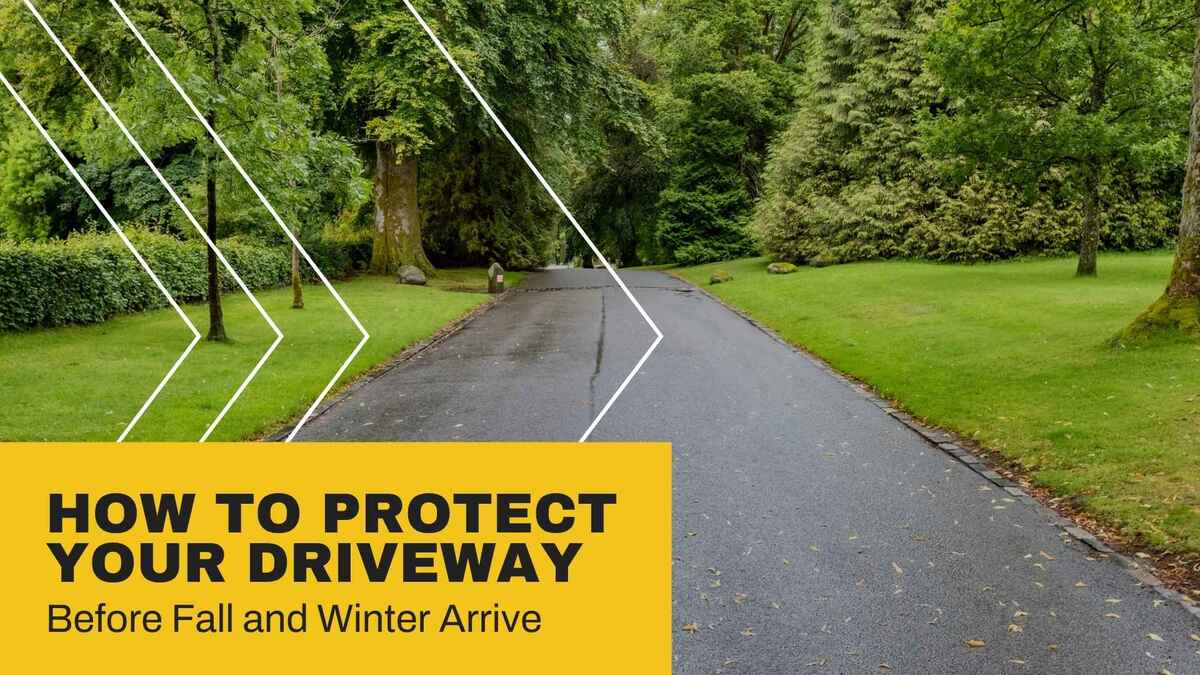
If you've noticed cracks, fading, or low spots in your driveway, now is the time to deal with them. Cold weather is hard on asphalt, and the small problems you can live with today tend to get worse once freezing temperatures arrive.
A little attention before winter saves you from a bigger repair bill in the spring. This blog walks through why now is the right time to act and what to look for before the cold sets in.
Late Summer Is the Best Time to Address Driveway Problems
Timing makes a real difference with driveway work. Acting now lets you get ahead of the damage that winter would otherwise cause, and it puts you in a better spot on the schedule.
Cold Weather Makes Small Problems Bigger
A crack that looks minor in September can turn into a real problem by February. Water seeps into cracks, freezes, expands, and pushes the pavement apart. Each freeze-thaw cycle widens the damage a little more. By spring, what could have been a simple repair often becomes a larger one.
Addressing damage in the fall closes off that path. When water can't get in and freeze, it can't do its damage over the winter.
Beat the Seasonal Rush
Paving crews slow down once temperatures drop, and the calendar fills up fast as homeowners rush to get work done before winter. Reaching out now gives you more scheduling flexibility and a better chance of completing the work while conditions are still good for paving.
What to Inspect Before Winter
You don't need to be an expert to spot the early warning signs. Walk your driveway and look for the issues that cold weather will make worse. Here's what to check:
- Inspect cracks of any size, especially ones wide enough to hold water or that connect into larger patterns.
- Check drainage by watching where water pools for more than 24 hours after rain. Standing water is a problem heading into freezing temperatures.
- Examine the edges, where crumbling and separation often start.
- Note any soft, sunken, or uneven areas, which can point to a problem below the surface.
If you find cracks and aren't sure how serious they are, our guide on what different cracks mean can help you tell the difference between minor wear and a warning sign.
Repair, Resurface, or Replace Before the Cold Sets In
Once you know what you're dealing with, the next step is choosing the right fix. The condition of your driveway points to one of three paths.
Crack Repair for Minor Issues
When the driveway is in good shape but has a few cracks, targeted repair is the practical move. Sealing cracks before winter keeps water out and stops small problems from spreading during freeze-thaw season.
Crack sealing on a driveway is done as part of a sealcoat, not on its own. A minimum crack seal costs about the same as sealcoating the whole surface, so the cracks get filled and the full driveway gets protected in one step. If the cracks are minor and the rest of the surface is holding up, this is the most cost-effective move you can make this fall.
Resurfacing for Worn but Sound Driveways
When the surface is worn, faded, or cracked across much of the driveway, but the base underneath is still solid, resurfacing restores it. We place a new layer over the existing surface, which gives you a fresh, smooth driveway for far less than a full replacement.
Resurfacing works in most situations because we send a prep crew out before paving. They find and repair any areas that won't drain properly or can't support the weight of our trucks and equipment, which run much heavier than everyday traffic.
Most driveways were built with proper drainage already in mind, so correcting settled or low spots during the process is usually enough to restore the surface without tearing it all out.
Replacement When Damage Runs Deep
Replacement is a last resort. We only recommend it when the base and grade have failed across more than half the driveway. At that point, water no longer drains the way it should, and continuing to patch costs more over time than rebuilding it right.
A fresh driveway also restores your curb appeal and supports value. If you're seeing these deeper issues, our breakdown of the signs a driveway needs replacing is worth a read.
Protect Your Driveway This Season with JK Meurer Paving
A little attention in the fall prevents bigger repairs in the spring. The homeowners who get ahead of driveway problems now are the ones who avoid the cracks, potholes, and emergency calls that show up after a hard winter.
At JK Meurer Paving, we help homeowners across Greater Cincinnati repair, resurface, and replace their driveways with quality work and honest guidance. If your driveway needs attention, there's still time to get it done before the cold arrives.