
Spring Paving Prep Checklist for Property Managers
Spring Paving Prep Checklist for Property Managers
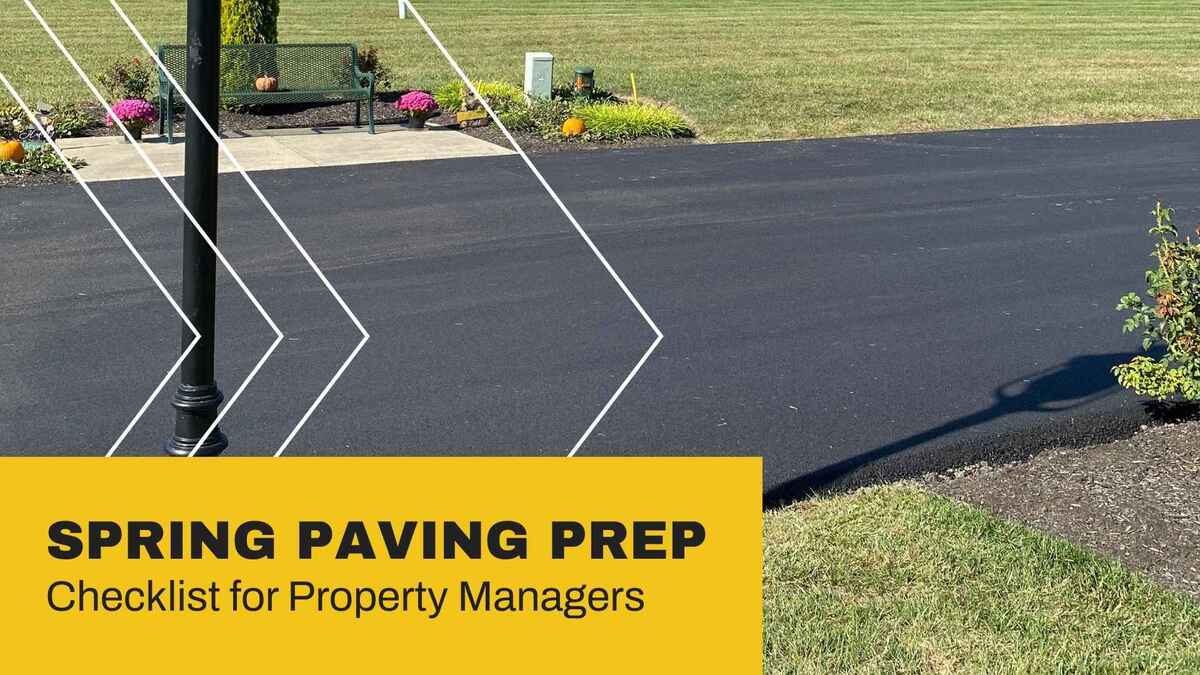
The real impact of freeze-thaw cycles, snow removal, and de-icing chemicals on your pavement often doesn't become clear until warmer weather arrives.
Spring offers a window to evaluate conditions, plan repairs, and coordinate with contractors before summer traffic peaks. When you act early, you gain scheduling flexibility and accurate budgets.
In this article, we cover the essential steps for spring pavement evaluation and help you prioritize work that protects both safety and long-term investment.
Why Spring Is the Right Time for Pavement Evaluation
The transition from winter to spring creates an ideal opportunity for pavement assessment. Damage that developed over the colder months becomes visible, and mild temperatures allow contractors to begin work before schedules fill up.
Winter Leaves Behind Hidden Damage
Freeze-thaw cycles stress pavement throughout the colder months. Moisture enters small cracks, expands when frozen, and weakens the base beneath the surface.
Snow removal equipment can scrape edges and chip away at vulnerable areas. Salt and de-icing chemicals accelerate surface wear by breaking down the binder that holds asphalt together.
By spring, many parking lots and drives carry damage that isn't immediately visible but will worsen under heavier traffic. Catching these issues early prevents small problems from becoming major repairs.
Early Planning Secures Better Scheduling
Paving contractors fill their schedules quickly once temperatures rise. If you wait until summer, you often face longer lead times and limited flexibility. Scheduling inspections and repairs in early spring allows work to be completed before peak traffic season.
Early planning also gives you time to budget accurately and coordinate with tenants or operations teams. When repairs are scheduled in advance, disruptions can be communicated clearly and managed efficiently.
Your Spring Pavement Inspection Checklist
A thorough inspection requires attention to detail and a systematic approach. The following steps help you document conditions accurately and communicate effectively with contractors.
1. Walk the Entire Surface
Start with a full visual inspection of every paved area on your property. Cover the full property rather than focusing only on high-visibility areas. Damage in less-traveled sections can spread if left unaddressed.
Look for:
- Cracks, potholes, and uneven sections that developed over winter
- Areas where pavement meets concrete curbs, sidewalks, or building foundations (these transition points often show the first signs of stress because different materials expand and contract at different rates)
2. Check Drainage Paths and Low Spots
Standing water accelerates pavement failure faster than almost any other factor. Water that sits on the surface works its way into cracks and weakens the base beneath. Over time, this leads to potholes, settlement, and structural damage that surface treatments cannot correct.
Identify:
- Areas where water pools after rain or snowmelt
- Clogged drains or blocked catch basins
- Sections where the surface has settled and created low spots
Addressing drainage problems early prevents base erosion and extends surface life.
3. Inspect Pavement Edges and Curb Lines
Edges take the most abuse from plows, traffic, and water runoff. They also lack the structural support that the center of a lot provides, which makes them more vulnerable to cracking and crumbling.
Look for:
- Separation between asphalt and concrete curbs
- Crumbling edges or sections where pavement has pulled away from adjacent surfaces
- Damaged curbs that can transfer stress into the pavement and cause cracking to spread
4. Document Cracks by Size and Location
Not all cracks require the same response. Hairline cracks may only need sealcoating to prevent moisture intrusion. Wider cracks or patterns that suggest base movement require deeper evaluation and possibly structural repair.
Map the location and severity of each issue so you can prioritize repairs and communicate clearly with your contractor. Photos taken during your walk-through provide useful reference points during consultations and help ensure accurate estimates.
5. Evaluate High-Traffic Zones
Entrances, drive lanes, and loading areas see the heaviest use. These sections wear faster and often need attention first, even when they received repairs in previous seasons.
Look for:
- Rutting, soft spots, or surface breakdown
- Safety hazards or trip risks
- Areas where vehicles turn, stop frequently, or carry heavy loads
These zones experience more stress than straight travel lanes and often show distress before the rest of your lot.
How to Prioritize Repairs for Budget and Safety
Most properties have more maintenance needs than any single budget cycle can address. Prioritizing work correctly ensures that critical repairs happen first while cosmetic improvements wait for the right time.
Safety Hazards Come First
Potholes, uneven pavement, and crumbling edges create liability risks that demand immediate attention. Any condition that could cause a trip, fall, or vehicle damage should be repaired before other maintenance work begins.
Addressing safety hazards first protects your tenants, visitors, and your organization. It also demonstrates responsible management practices that support positive tenant relationships and reduce exposure to claims.
Structural Repairs Before Cosmetic Work
Base failures and drainage issues will undermine surface repairs if left unaddressed. Applying sealcoating over pavement with structural problems wastes money because the underlying damage will continue to worsen and eventually break through the new surface.
Repair the foundation before investing in cosmetic treatments. This sequence protects your budget and ensures that finishing work delivers lasting results.
Sealcoating and Striping Come Last
Once structural work is complete, sealcoating protects the surface from UV damage, moisture intrusion, and chemical exposure. Fresh striping improves traffic flow, enhances curb appeal, and reinforces parking configurations.
These finishing steps work best when applied to a stable, well-maintained surface. Completing them after structural repairs ensures they perform as intended and last through multiple seasons.
What to Expect from a Qualified Contractor
Choosing the right contractor matters as much as timing the work correctly. The following qualities distinguish experienced commercial paving partners from contractors who may lack the expertise your property requires.
Thorough Site Assessments
A qualified contractor evaluates drainage, base condition, and surface wear across your entire property. They look beyond obvious damage to identify underlying issues that could affect repair longevity.
Experienced contractors also recognize when budgets require flexibility. They provide recommendations for phased repairs that address critical needs first while planning for future work.
Clear Estimates and Reliable Scheduling
Expect detailed proposals that outline scope, timeline, and cost without hidden fees or vague language. A dependable contractor prioritizes coordination with your operations so work is completed efficiently and with minimal disruption to your tenants or visitors.
Communication should be consistent throughout the project. You should know when crews will arrive, how long work will take, and what to expect at each stage.
Proven Commercial Experience
Look for a contractor with a strong track record in parking lots, drives, and commercial surfaces. Commercial work differs from residential paving in scale, traffic demands, and coordination requirements.
Local experience matters as well. Crews familiar with regional weather patterns and soil conditions apply methods that support long-term pavement performance in your specific environment.
Start the Season Strong with JK Meurer Paving
Spring preparation protects your pavement investments and prevents costly emergency repairs later in the year. When you evaluate conditions early, prioritize work correctly, and partner with experienced contractors, you maintain surfaces that perform reliably season after season.
At JK Meurer Paving, we work with property managers throughout Greater Cincinnati to assess conditions, plan repairs, and complete work on schedule.
Our team provides thorough evaluations, clear estimates, and reliable execution that keeps your properties safe and professionally maintained.