
What Property Managers Should Know About Commercial Sidewalk and Walkway Paving
What Property Managers Should Know About Commercial Sidewalk and Walkway Paving
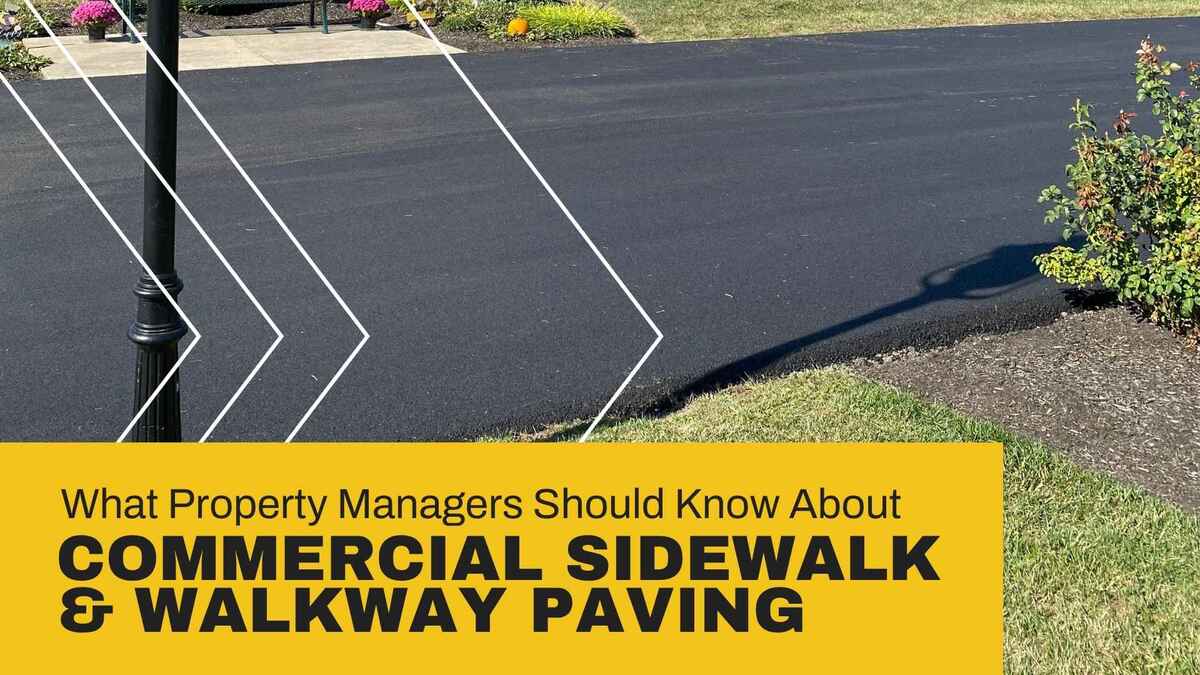
Walkways rarely reach a paving budget until someone reports a trip hazard. A parking lot is larger and more visible, which makes it the default priority. However, pedestrian surfaces deserve attention sooner than their size suggests.
Sidewalks and connecting paths wear on a different timeline than a lot, and the acceptable margin is much smaller on a pedestrian's surface.
This blog covers how pedestrian surfaces wear and what to look for before a walkway becomes a safety concern.
Walkways Carry Different Demands Than Parking Lots
Walkways handle foot traffic on a much narrower surface than a parking lot and that puts different demands on the pavement.
Pedestrian Surfaces Are Held to a Higher Standard
A quarter-inch rise in a parking lot rarely causes trouble for drivers. On a walkway, that same rise is enough to trip a pedestrian. Pedestrian surfaces need to stay level and consistent because people are walking on them, often while carrying items or looking ahead rather than down.
Walkways need attention earlier in their wear cycle than a parking lot does. Damage that reads as minor still creates liability exposure.
Narrow Surfaces Wear from the Edges In
Walkways are narrow, which puts a large share of the surface close to an unsupported edge. Without the lateral support a wide lot provides, edges crumble and separate sooner.
Walkways also face pressures a parking lot doesn't. Landscaping equipment rides along the edges, snow removal scrapes across the surface, and root growth pushes from below.
4 Signs Your Walkways Need Attention
Walk your pedestrian routes the way a visitor would and watch for four specific problems.
1. Cracking and Uneven Sections
Cracks widen as water works into them and freezes. Sections that have lifted or dropped relative to their neighbors create the trip hazards that generate complaints and claims. Our guide on reading cracks and knowing when to act covers what different patterns indicate.
2. Standing Water Along the Route
Water that pools on a walkway freezes into an ice patch once temperatures drop. Puddles that return to the same spot after every rain point to a drainage problem rather than a surface problem.
3. Crumbling or Separating Edges
Edge failure spreads inward. Once the perimeter starts breaking apart, the usable width of the walkway shrinks, and the damage accelerates under continued traffic.
4. Settling Near Transitions and Utilities
Check where walkways meet parking areas, curbs, building entrances, and utility covers. Connection points settle at different rates than the surrounding surface, and the resulting height difference is a common source of trips.
Access and Compliance Considerations
Accessibility applies to pedestrian routes as much as it applies to parking, and surface condition is part of it.
Accessible Routes and Surface Condition
An accessible route needs a stable, firm, slip-resistant surface with consistent width and slope. Deterioration can push a compliant walkway out of compliance over time, even when nothing about the original design has changed.
Reviewing pedestrian routes alongside your parking areas gives you a complete picture of where the property stands. Our overview of accessibility requirements on commercial properties is a useful starting point.
Transitions Between Surfaces
Where a walkway meets a parking lot, a curb ramp, or a building threshold, the transition needs to be smooth and properly graded. Those points deserve attention during inspection and again during construction planning.
Fold Walkway Work into Your Broader Paving Plan
Combining walkway work with a lot project can reduce the long-term cost of the work.
Combine Scope for Better Value
Mobilizing crews and equipment carries cost regardless of project size. Addressing walkways during a lot resurfacing or replacement spreads that cost across more work and delivers a property that looks consistent when the project wraps.
Use the Winter Months to Plan
Field work slows in cold weather, but planning doesn't. Assessing pedestrian surfaces now and scoping the work builds it into next year's budget, which puts you in position to schedule early once paving season opens.
Plan Your Walkway Project with JK Meurer Paving
Walkways deserve the same planning attention as a parking lot. Addressing them early prevents safety concerns and keeps small repairs from turning into full replacements.
At JK Meurer Paving, we help property managers across Greater Cincinnati assess and pave pedestrian surfaces as part of a complete property plan. If you're building next season's scope, now is the time to include the walkways in it.
Schedule a property assessment for your walkways and paved surfaces.